Withdraw or Withdrawal? Stop Making This Common Grammar Mistake
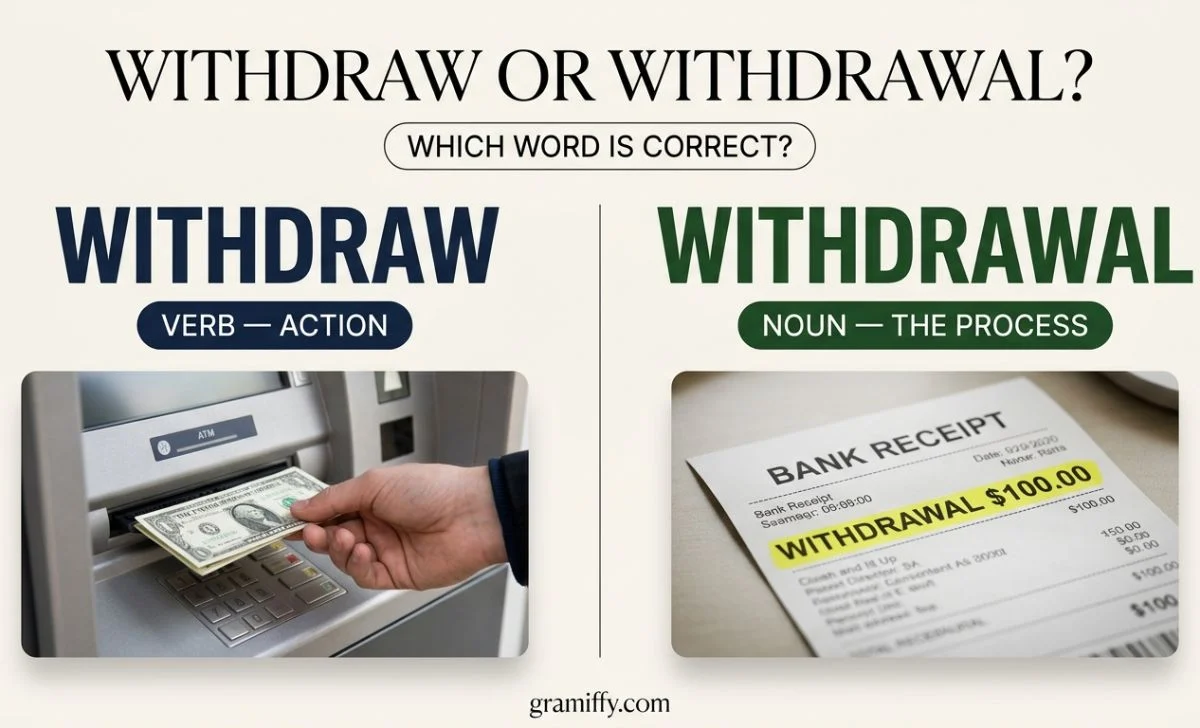
The difference between withdraw and withdrawal may look small, but using the wrong word can make an otherwise correct sentence ...
Read more
Ambience or Ambiance? The Tiny Spelling Difference That Matters

The right atmosphere can make an ordinary café feel special, a quiet room feel peaceful, or a wedding venue feel ...
Read more
Proove or Prove? The Spelling Mistake to Avoid
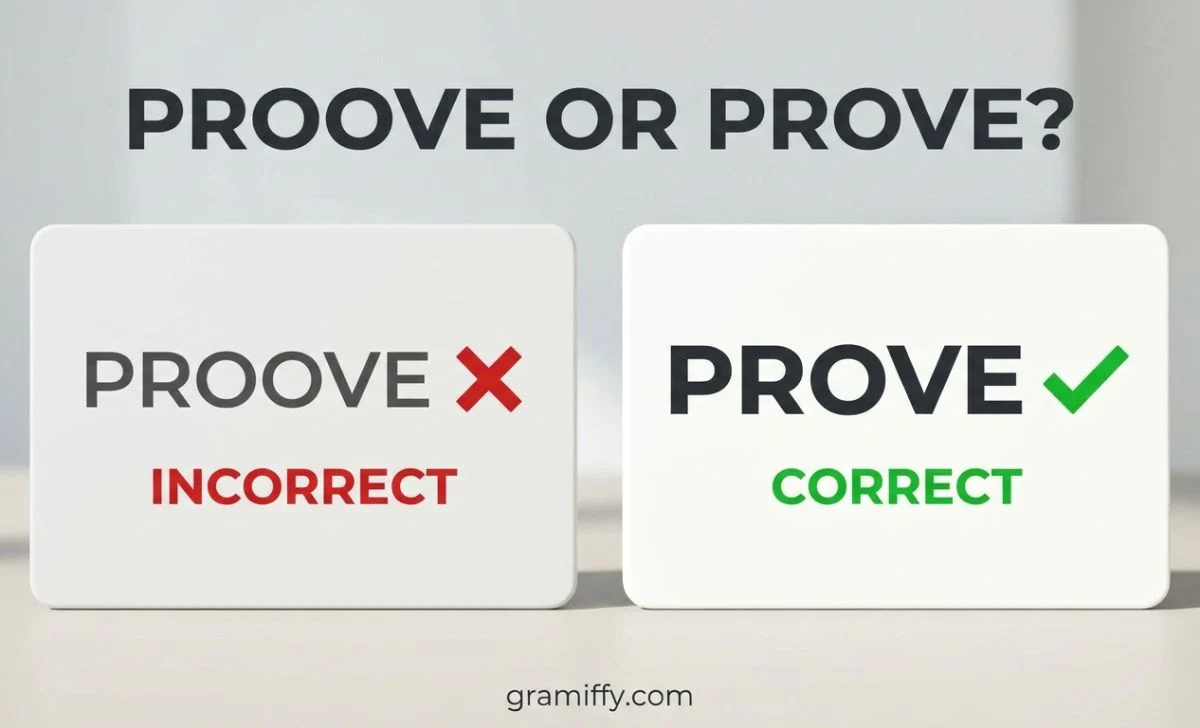
One extra letter can turn a correct word into a spelling mistake, even when the incorrect version looks perfectly reasonable. ...
Read more
Grate or Great? Meaning, Difference & Correct Usage

One tiny spelling mistake can turn a compliment into a cooking instruction! Imagine writing “Have a grate day” when you ...
Read more
Upon or Apon: Which Spelling Is Correct? (With Examples)
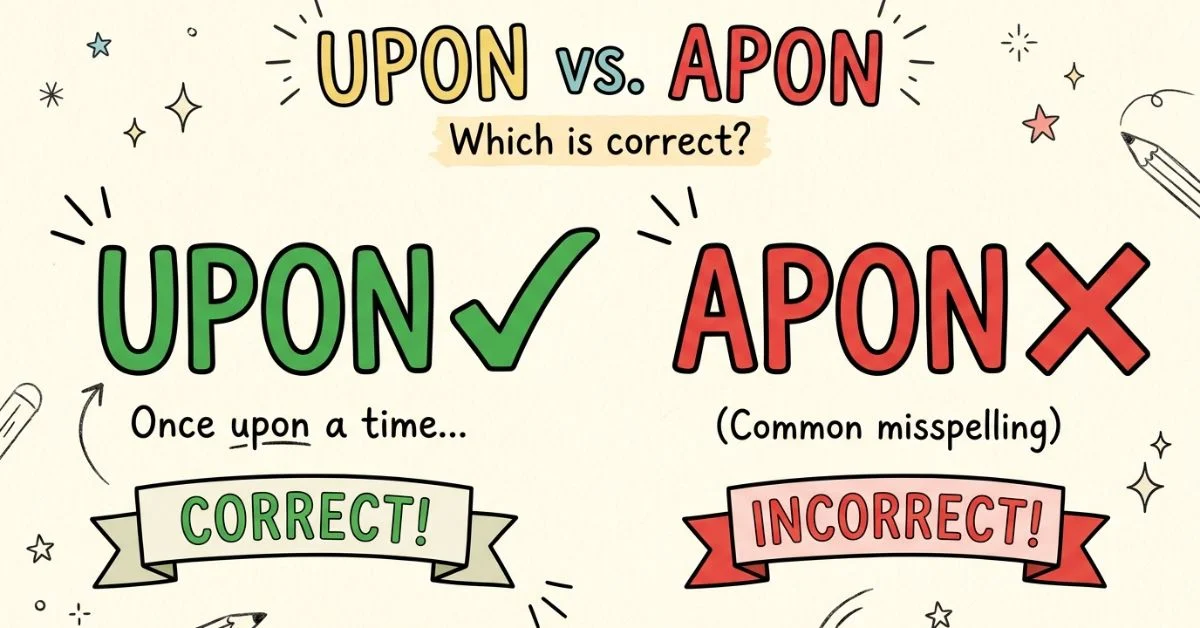
You are writing an email and type, “Apon arrival, please call me.” Something looks wrong, but both spellings sound almost ...
Read more
Stoping or Stopping? The Correct Spelling (Plus One Exception)
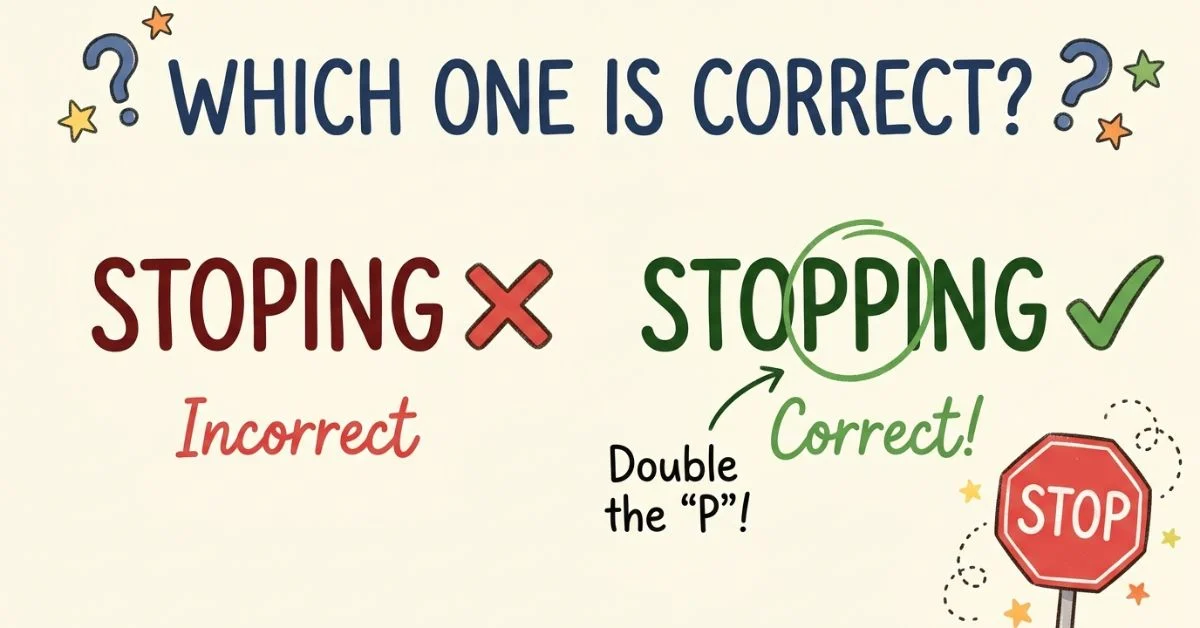
If you are writing an email, checking an assignment, or describing a car coming to a halt, should you write ...
Read more
Hoofs or Hooves? Which Plural Is Correct? (And When to Use Each)
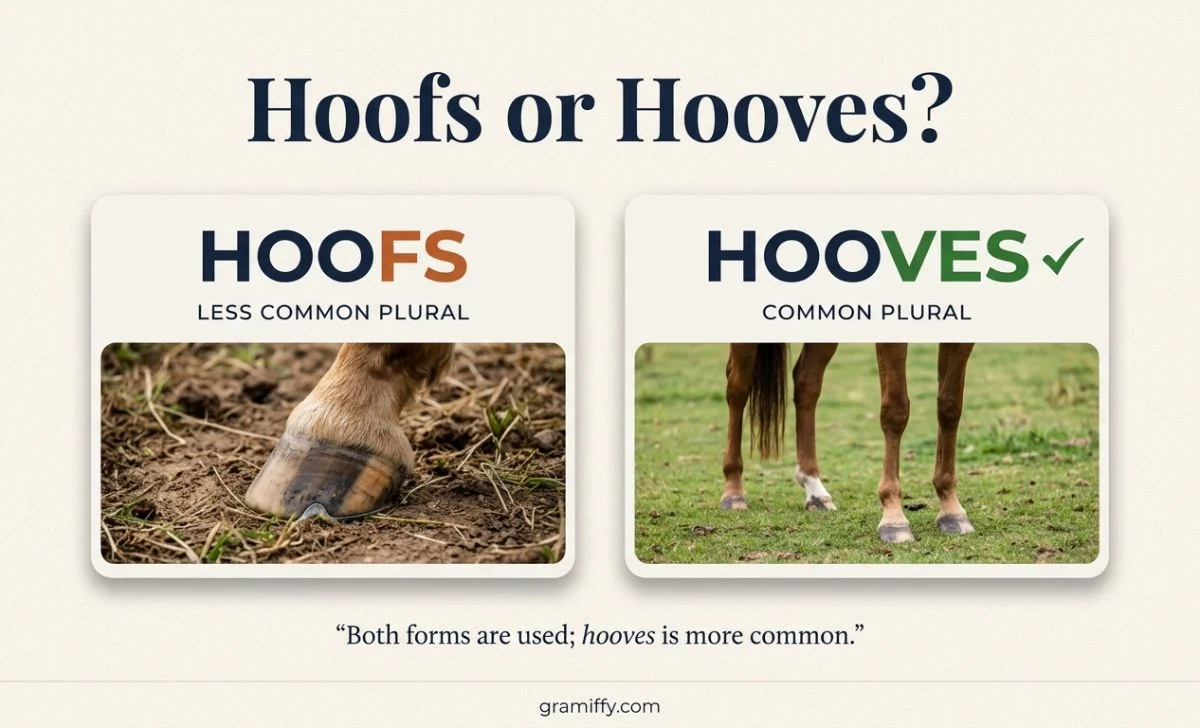
A horse has four feet, but should you write that its hoofs or hooves struck the ground? Both spellings are ...
Read more
Calf or Calve? Meaning, Examples, and Calves vs. Calfs
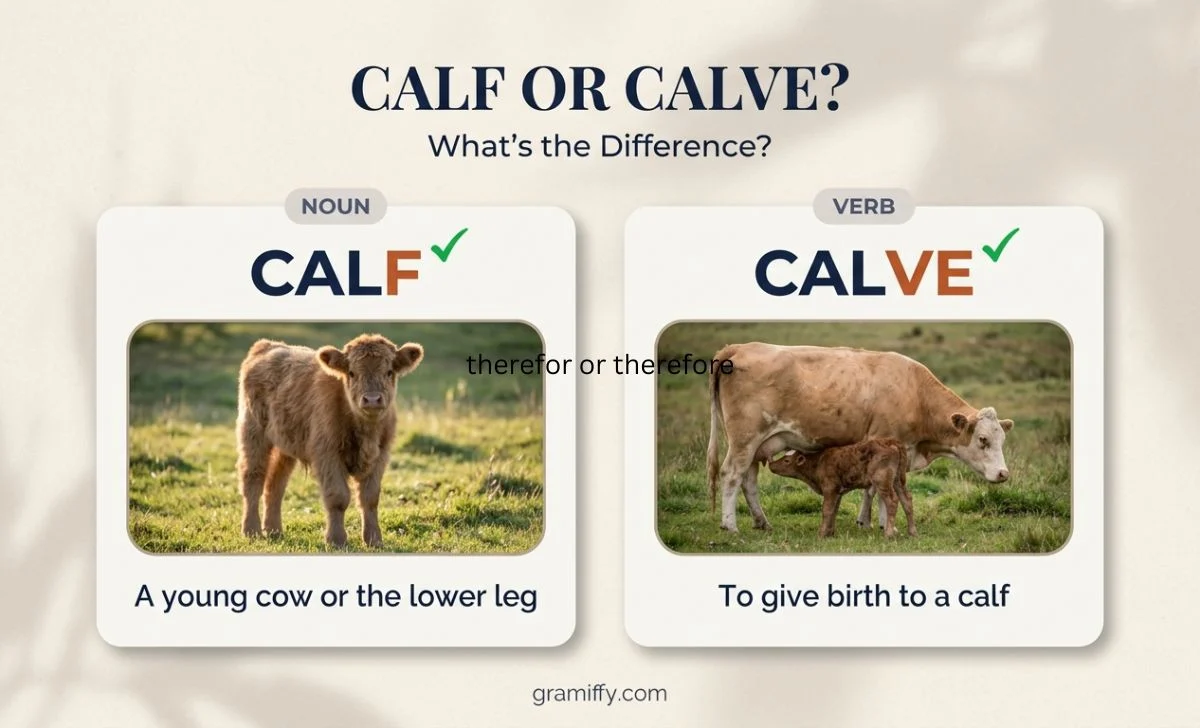
A cow can have a calf, but when it gives birth, it may calve. The words look almost identical, yet ...
Read more
Losses or Loses: What’s the Difference? (With Examples and a Simple Test)
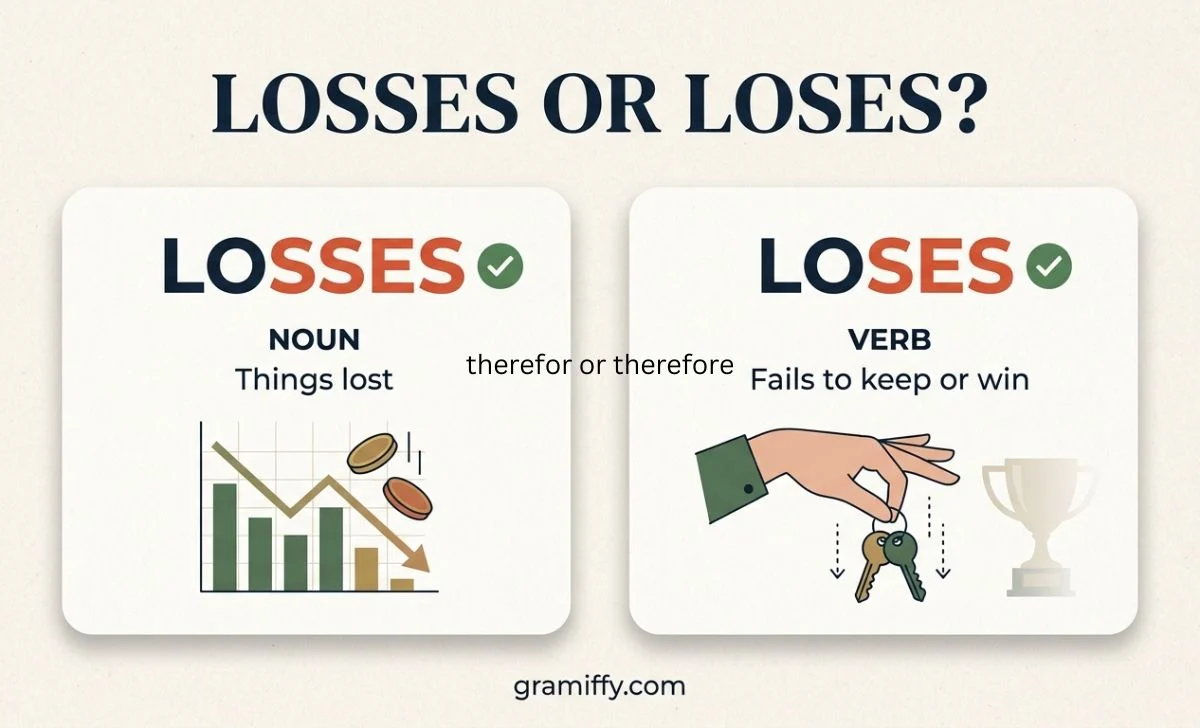
Loses is a verb. It’s what someone or something does: He loses his keys. Losses is a plural noun. It ...
Read more
Fair or Fare: What’s the Difference? (Meanings, Examples & Memory Tricks)
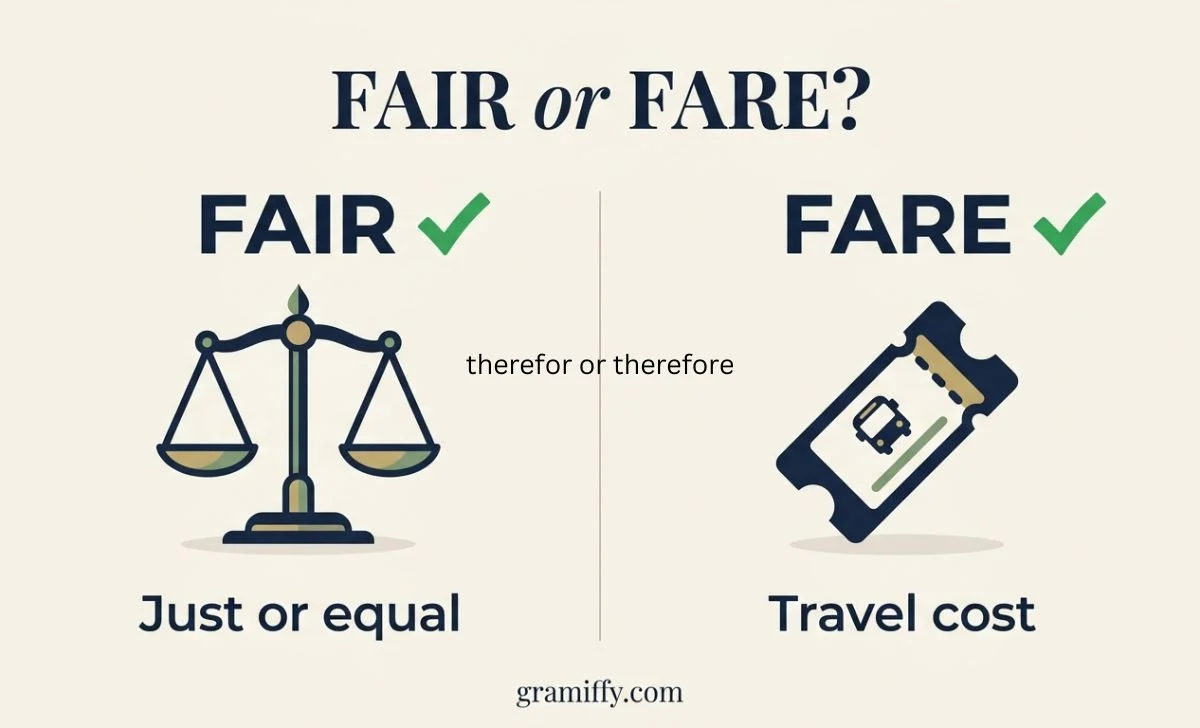
Fair means just, equal, pale, average, pleasant (of weather), or an event such as a county fair. Fare means the ...
Read more